
Building management without unnecessary complexity
- faster scene, time and zone setup
- fewer manual interventions when operation changes
- better overview of rooms, floors and operating blocks
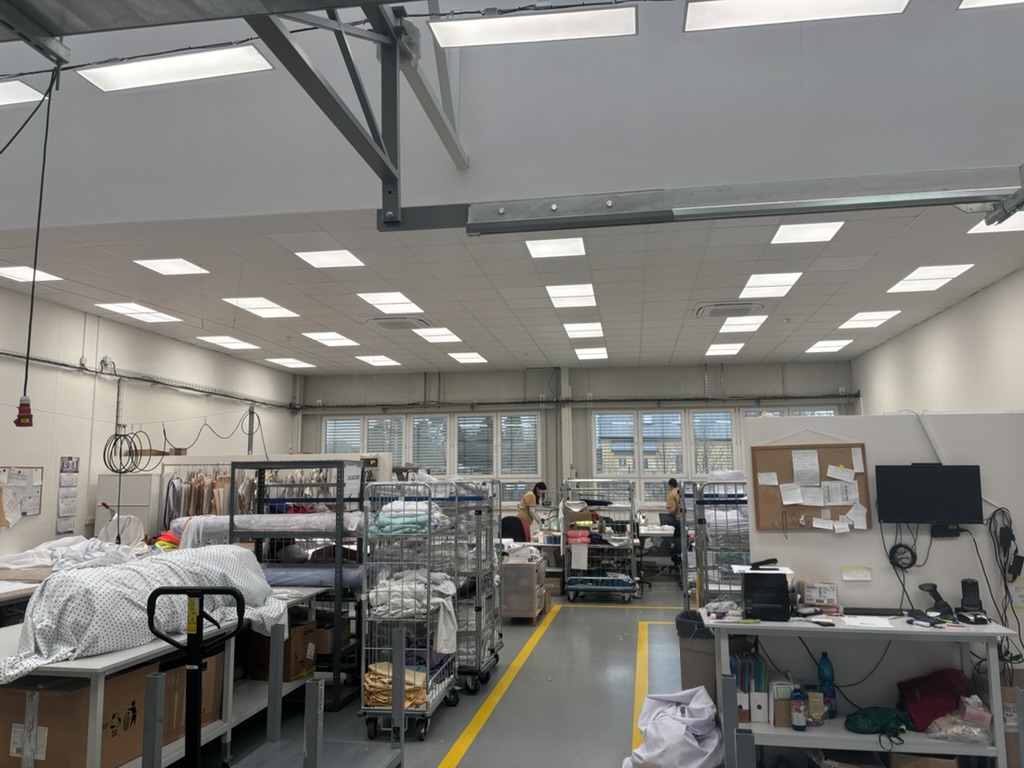
Control gives a lighting system practical day-to-day logic. It sets scenes by activity, responds to presence and daylight, works with day and evening modes and keeps the system understandable for users and building managers.
Control matters when it makes lighting easier to use, less wasteful and more adaptable to the way a building is actually used.
A good luminaire is only the beginning. The real difference comes when the lighting system reacts to use, layout and the daily rhythm of the space, including automatic dimming by daylight and fewer unnecessary lit hours.
Offices, classrooms, corridors, production and public buildings. Control helps mainly with zoning, automatic dimming, presence sensors and daylight-based control.
With full-spectrum luminaires, control adds further value through work, presentation and quiet modes without one compromise setting for the whole day.
Here control is not only about brightness. It works with time, intensity and the light character so day, evening and night modes match the space.
For wayfinding, architectural and brand applications, control keeps intensity, timing and visual effect stable over time.
Work, teaching, meetings, projection, cleaning or service can each have different intensity, zones and priorities.
Lights dim where daylight helps and turn off where nobody is present, especially in offices, schools and public buildings.
Biodynamic systems can transition between day, evening and night modes including dimming and reduced unsuitable blue-rich light in sensitive hours.
Facility teams or users can take control, adjust a scene or launch a service mode without affecting the whole installation.
Depending on the project, we combine automation, simple user control and the right technical architecture.
PIR and daylight logic react automatically to occupancy and available daylight, saving energy and keeping comfort stable.
Beyond standard scenes, we set time-based logic and modes that change intensity or light character during the day.
Everyday users work with simple scenes and brightness, while facility teams have clearer control without complex service intervention.
Architecture is chosen by project. Retrofits often benefit from wireless control; new installations may use DALI lighting control, DALI hybrid, remote management and diagnostics.
With a gateway and analytics layer, lighting control becomes not only user control but also a continuous source of information for service, savings, remote diagnostics and operational decisions.
Where organisations have already moved to LED, the next potential is often in sensors, scenes and actual operating data instead of assumptions.
Online/offline visibility of groups and quick detection of places needing attention.
Overview of operation by groups and zones instead of one-off checks.
Better inputs for service interventions, remote diagnostics, reporting and savings evaluation.
A meaningful data layer for documentation and ESG where it is genuinely relevant.
The environment can differ, but the logic remains the same: quality light, clear scenes and control that helps operation instead of complicating it.
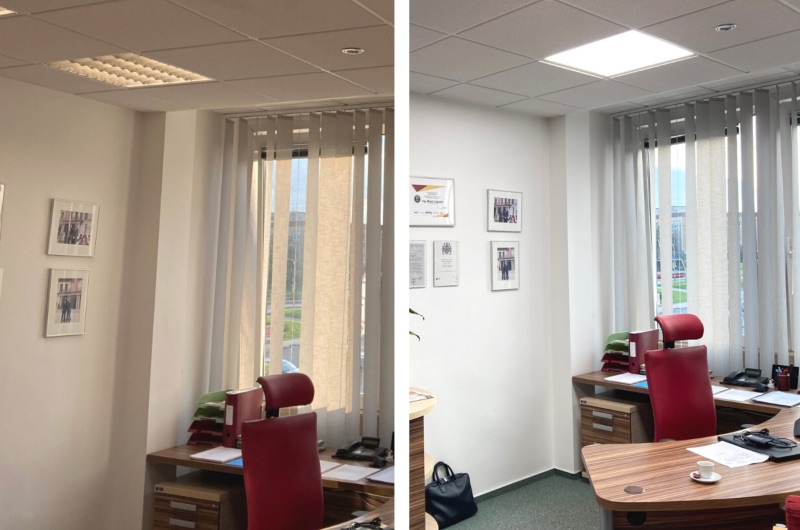
Each office has its own presence and light sensor. Lights dim by daylight and switch off after inactivity without invasive cabling.
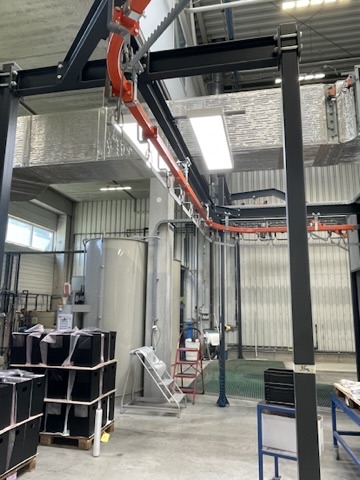
Automatic daylight regulation and touch scene control complemented Bright Light where colour accuracy and everyday comfort matter.
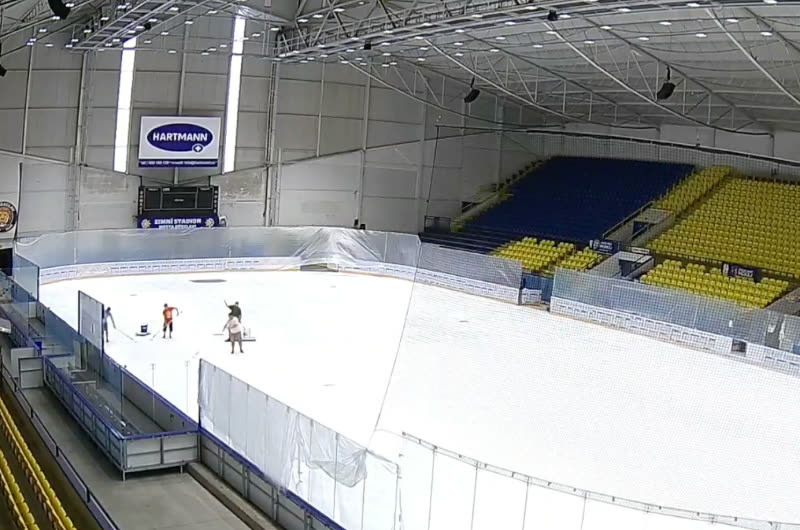
Scene control for different modes shows how lighting can be ready for training, matches and public skating without improvisation.
Yes. We work with standard lighting systems, Bright Light and biodynamic lighting according to the space, use mode and user needs.
Yes. We work with day, evening and night modes, dimming, transitions and light character by space needs.
It depends on the project. New or technically prepared installations often suit DALI lighting control or DALI hybrid; retrofits can benefit from wireless control without invasive cabling.
Often yes. Retrofits are where control can unlock further savings and comfort without major construction.
Send us a floor plan, operating mode and information about who will control the lights. We will propose the right architecture, scenes and next project step.