
Challenge
Morning and active day
The goal is a stronger light regime that supports alertness, focus and good visual conditions, ideally with more diffuse light from above.
How intensity, light character and placement change during the day according to what the space needs.
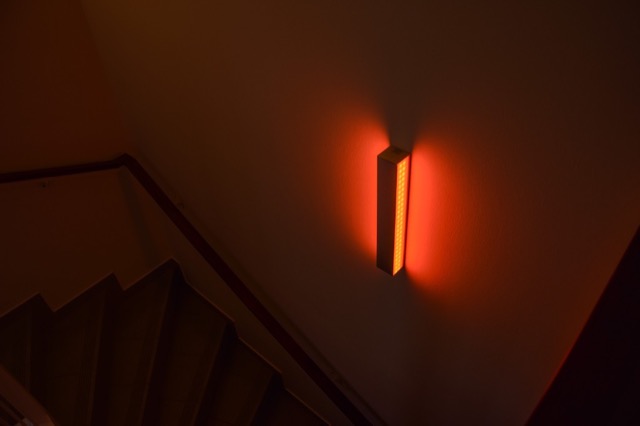
Biodynamic lighting is not one colour of light, but a practical way to work with intensity, direction and light character over time.
The goal is a stronger light regime that supports alertness, focus and good visual conditions, ideally with more diffuse light from above.
If a space is used morning, day and evening and one static light no longer works, it is time to consider a new light regime.
Biodynamic solutions make sense where the purpose of one interior changes during the day: homes, care spaces, rooms for long stays and calm zones.
Biodynamic lighting is sometimes described too technically or too vaguely. In practice it is simple: one space does not serve the same purpose all day.
The point is a thoughtful transition between activity, orientation, calm and evening quiet.
The goal is a stronger light regime that supports alertness, focus and good visual conditions, ideally with more diffuse light from above.
Needs change during the day. A transition should be smooth and unobtrusive rather than a visible technical effect.
In the evening the goal is usually not further activation. Intensity is lower and the light can move closer to eye level or lower.
Biodynamic solutions make sense where the purpose of one interior changes during the day: homes, care spaces, rooms for long stays and calm zones.
It is not a colour show or a marketing layer. A good design is based on time, space purpose and user needs.
If a space is used morning, day and evening and one static light no longer works, it is time to consider a new light regime.
Good biodynamics is not a spectacular claim. It is light that helps the space work the way it should throughout the day.